What Fall Fence Installation Gets You That Spring Can't
Wildroses Landscaping fields a steady run of fence inquiries every fall from property managers and commercial clients across the London area, and the ones who book in October and November tend to end up in a noticeably better position than the ones who wait for spring. The ground is still workable, the schedule has more room in it, and a fence installed now is simply done before spring's crowded calendar even starts.
That timing advantage is worth understanding in more detail, because it isn't just about beating a rush. This guide looks at what actually changes about installing a fence in fall versus spring, what ground and weather conditions make fall a genuinely strong window in this region, and what to expect from the process itself.
Here's what we cover:
- Why fall ground conditions actually work in a fence installation's favor
- What spring's compressed schedule means for anyone who waits
- What the installation process looks like once a project is booked
Why Fall Ground Conditions Work in Your Favor
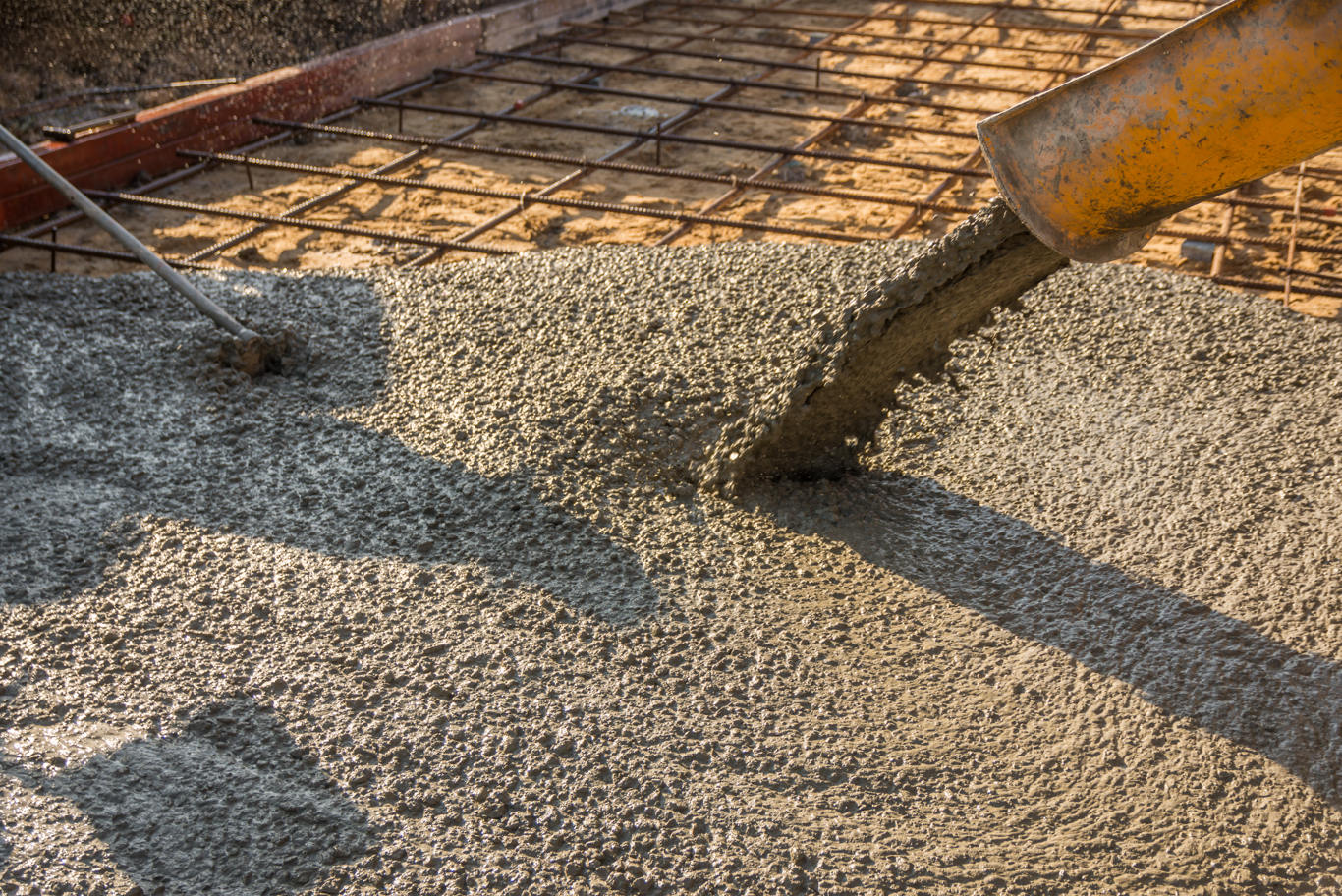
Post holes need solid, workable ground, and fall in southwestern Ontario tends to deliver exactly that. The frost line hasn't set in yet, summer's dry, compacted soil has usually softened with a few weeks of cooler, wetter weather, and the ground is neither frozen solid nor turned to mud the way it often is during a wet spring thaw. That combination makes fall one of the more reliable windows in the calendar year for post setting and concrete curing, which matters more than most people assume for how long a fence actually holds up.
→ A quick tip to remember: concrete used to set fence posts needs stable temperatures to cure properly, and fall's moderate daytime highs paired with nights that haven't dropped below freezing yet tend to hit that window better than an unpredictable spring thaw does.
What Spring's Compressed Schedule Means for Anyone Who Waits
Spring is the busiest season for nearly every landscaping and fencing company in the region, for the obvious reason that it's when most people start thinking about outdoor projects at once. A property manager who waits until March or April to book fence work is competing with every other job that got the same idea, on top of spring's own ground conditions, which are frequently soft, wet, or still partially frozen depending on how the winter played out. A fence booked in fall skips that entire bottleneck and is simply finished, standing, and ready before the spring rush even begins.
For commercial and multi-unit properties in particular, that head start matters. A property that needs fencing finished before a specific lease date, security requirement, or spring landscaping project doesn't have to build that timeline around spring's unpredictable scheduling and ground conditions.
What the Installation Process Looks Like
Once a fall fence project is booked, the process starts with confirming property lines and any local permitting requirements, followed by post layout and hole digging suited to the specific fence type and property. From there, posts are set and the chosen custom wood fence design is built out section by section, with the scope and details confirmed in the project contract before work begins.
Frequently Asked Questions
1. How late in the fall can a fence still be installed?
This depends on how quickly the ground freezes in a given year, but most projects booked through November are still well within a workable window. Booking earlier in the season gives more flexibility on the exact installation date.
2. Does a fall-installed fence need any different care over winter?
No special care is needed. Once posts are set and concrete has cured, a fall-installed fence is ready to handle winter conditions the same as one installed at any other time of year.
Booking a Fence Before the Season Closes Out
Fall's working window for fence installation doesn't stay open indefinitely, but there's still time to get a project scheduled and finished well ahead of spring. Get in touch with Wildroses Landscaping to book a fence installation and take advantage of ground conditions and scheduling that spring simply can't offer.