Summer Lawn Stress: What Causes Brown Patches and How Can You Fix Them?
By July, many homeowners across London, Ontario and surrounding communities start asking the same question: why is my lawn turning brown in the middle of summer? After a strong spring start, hot temperatures, uneven rainfall, foot traffic, and mowing habits can all take a toll. Those dry, patchy areas are not just frustrating to look at. They can also signal deeper lawn stress that gets worse as summer continues.
At Wildroses Landscaping, we help homeowners in London, St. Thomas, Komoka, Delaware, Woodstock, Ilderton, Dorchester, Ingersoll, Mount Brydges, Thorndale, and Tillsonburg keep their lawns healthier through changing Ontario conditions. The good news is that brown patches are often treatable when you identify the cause early.
Why Brown Patches Show Up In July
July is one of the toughest months for lawns in Southwestern Ontario. The combination of heat, strong sun, compacted soil, and backyard activity can quickly stress turf. Around Canada Day and through the rest of summer, lawns often face extra wear from entertaining, kids playing outside, and pet use.
Brown patches may appear suddenly, but the problem usually builds over time. In many cases, the lawn is reacting to stress rather than simply “dying.” That distinction matters, because the right solution depends on the source of the damage.
The Most Common Causes Of Summer Lawn Stress
One of the most helpful ways to fix brown patches is to understand what is causing them. Several issues can create a similar appearance, even though the treatment may be different.
Common causes include:
- Heat and drought stress from prolonged hot, dry weather
- Uneven watering or shallow watering that does not reach the roots
- Mowing too short, which weakens the turf during peak heat
- Soil compaction in high-traffic areas
- Pet urine damage
- Fungus or lawn disease encouraged by humidity and poor airflow
- Grub activity or root damage below the surface
In London and nearby Ontario communities, it is common to see multiple factors at once. A lawn may be slightly drought-stressed, then worsened by low mowing height or repeated foot traffic.
How Do I Know If Brown Grass Is Dead Or Dormant?
This is a popular People Also Ask question, especially in mid-summer. In many cases, brown grass is dormant rather than dead. Dormant grass is conserving energy during stressful conditions and may recover when temperatures cool and moisture improves. Dead grass, however, will not bounce back and usually requires repair.
A simple way to check is to gently tug on the grass. If it resists and the crowns are still intact, it may be dormant. If it pulls up easily or the area feels brittle and lifeless, the turf may be dead or damaged by pests or disease. A professional assessment can help confirm the difference and prevent wasted time on the wrong treatment.
How To Fix Brown Patches Effectively
The best fix depends on the cause, but there are several smart steps homeowners can take to improve lawn health in July.
Start with these strategies:
- Water deeply and less frequently to encourage stronger roots
- Avoid mowing during extreme heat when possible
- Raise mowing height to reduce stress on the lawn
- Limit heavy foot traffic on struggling areas
- Inspect for signs of insects, disease, or compacted soil
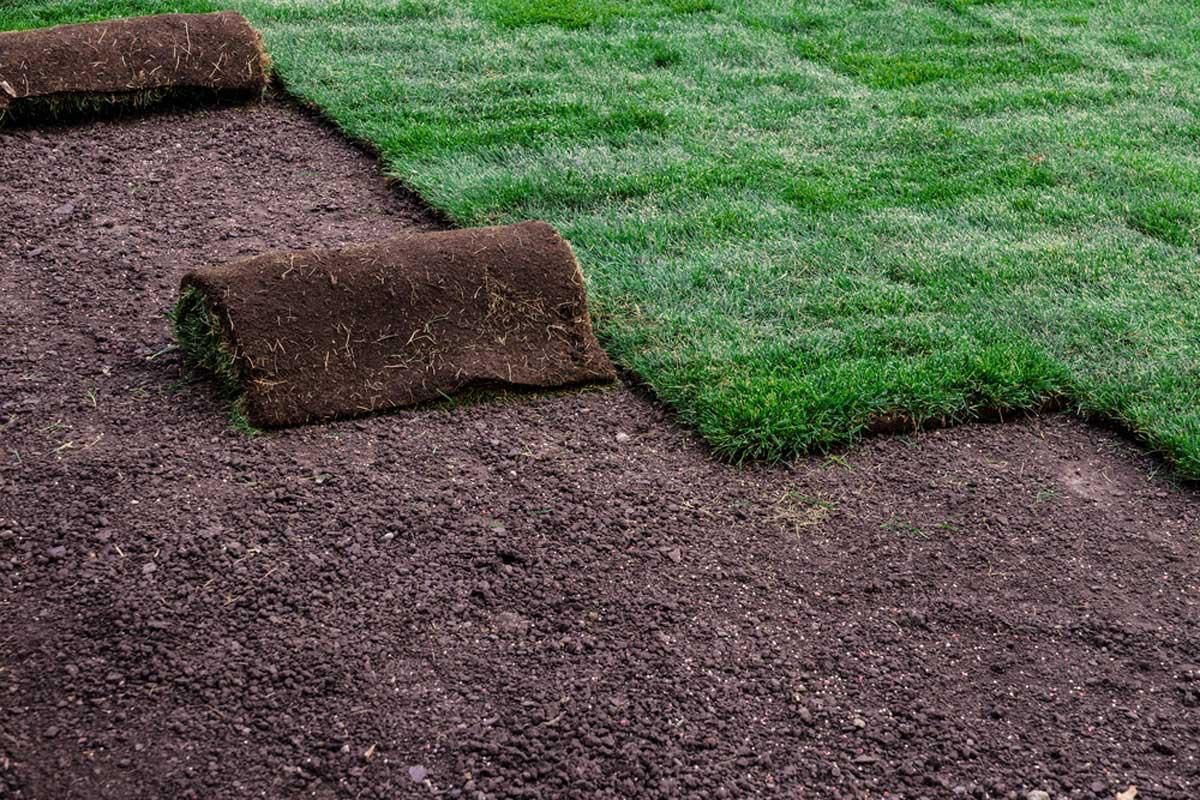
- Repair damaged patches with targeted seeding or sod where needed
For lawns in London, Ontario, timing matters. If the patch is caused by simple drought stress, adjusting watering and mowing habits may be enough. If the area is truly damaged, professional spot repair or sod installation may be the better solution.
When Professional Lawn Care Makes A Difference
Brown patches are not always easy to diagnose on your own. What looks like dryness could actually be compaction, insect damage, or a fungal issue. That is where professional lawn care can save time and prevent bigger problems later in the season.
At Wildroses Landscaping, we evaluate the condition of the turf, site exposure, traffic patterns, and property layout before recommending a solution. For some lawns, that may mean maintenance adjustments. For others, it may involve seeding, sodding, or broader residential landscape maintenance to improve the health and appearance of the entire yard.
Restore Your Lawn Before Summer Ends
Brown patches do not have to define your summer lawn. With the right diagnosis and timely care, many stressed lawns can recover and regain a healthier, greener appearance. The sooner the cause is addressed, the better the chance of preventing larger problem areas later in the season.
If your lawn in London, Ontario or the surrounding area is showing signs of summer stress, Wildroses Landscaping is here to help. Contact our team today for professional lawn care and let us help you restore a healthier, more attractive yard for the rest of summer.